Duan Yongping: The “Chinese Buffett” Who Turned $2 Million in NetEase Into $200 Million
The engineer behind the BBK electronics group retired at 40, moved to the US and became one of China’s most admired investors, buying NetEase near its low, Apple and Tencent. What he did, and what ordinary investors can learn from it.
From factory manager to electronics tycoon
Duan Yongping was born in Nanchang, in China’s Jiangxi province, in 1961. He studied wireless electronics at Zhejiang University from 1978 and later econometrics at Renmin University in Beijing. In 1989 he was sent to run a struggling electronics factory in Zhongshan, which he turned into Subor, a maker of “learning computers” and game consoles that earned more than 200 million yuan in profit in 1994 and 1995.
In 1995 he left to found BBK Electronics in Dongguan, starting with DVD players. The BBK group went on to become the root of some of the world’s best-selling phone brands, including Oppo and Vivo, which were built by people who worked with him. Around 2001, at about 40, he stepped back from running the business and moved to the United States.
NetEase: the trade that made his name
After the dot-com crash, shares in NetEase, a Chinese internet company listed in New York, fell as low as $0.64. Duan studied the business — and its online games — and decided the market was wrong. In early 2002 he invested just over $2 million at around $0.80 a share. By October 2003 the shares had reached $70, and his investment was worth nearly $200 million. For a time he was NetEase’s second-largest individual shareholder, with more than 10% of the company.
It is a textbook example of the kind of opportunity value investors look for: a good business at a price set by panic rather than by its prospects. It is also an example of something most investors cannot repeat. Duan knew the industry from the inside, had the capital and patience to wait, and bought when almost no one else would.
Apple, Tencent and a lunch with Buffett
Duan has said he became interested in Apple in 2002 but waited until he understood its long-term strength; he began buying in January 2011, has added on falls, and has said he has never sold. He judged Tencent too expensive in 2010, then bought during a slump in the gaming industry in 2018. He has also been open about what he missed, such as Tesla and Zoom, saying he could not understand their business or valuation well enough.
In 2006 he won Warren Buffett’s annual charity lunch auction with a bid of $620,100, the first winner from China; the money went to the Glide Foundation in San Francisco. Colin Huang, whom Duan had mentored and who later founded the online retailer Pinduoduo, reportedly joined him at the lunch the following year. The press in China has called Duan the “Chinese Buffett” ever since.
Duan’s rule is simple to state and hard to follow: if you do not understand a business, do not buy it, however much others are making.
How he thinks about investing
- Invest only in businesses you understand well enough to judge where they will be in ten years.
- Think like an owner of the whole company, not a trader of its shares.
- Concentrate on a few great businesses and hold them for years, adding when prices fall for temporary reasons.
- Pay as much attention to what you refuse to do as to what you do; he has described a long list of things he simply does not do.
What ordinary investors can take from him
The lesson most people can use is not to copy his portfolio. Concentrated bets on a handful of companies made Duan rich because he understood those businesses better than almost anyone; for most savers, the same concentration would add risk without the knowledge to back it. What does travel is his discipline: invest only in what you understand, think in decades, and do not let price swings push you into selling. For most people, the simplest way to apply that is a low-cost, diversified index fund held for the long term. This profile is general education, not investment advice.
Warren Buffett’s investment philosophy, explained
The investor Duan paid $620,100 to have lunch with, and the simple plan Buffett recommends for most people.
This article is educational and general in nature. It isn’t personalized investment, tax, or legal advice — always weigh your own circumstances, or talk to a licensed professional, before making financial decisions.
Keep reading
Related guides on this topic.
 Legendary Investors
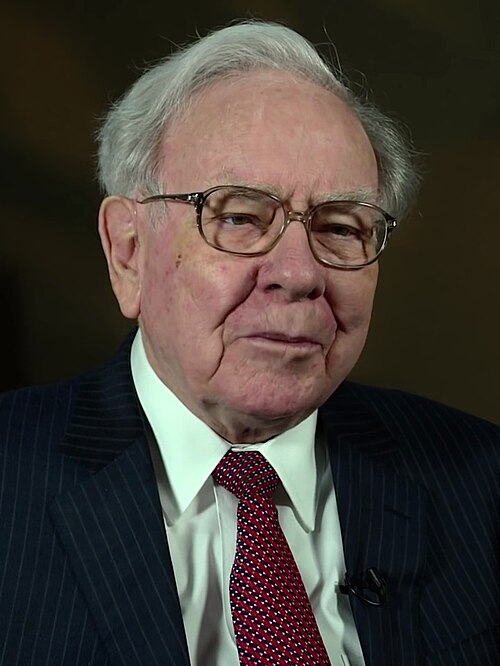
Warren Buffett: Investment Philosophy and Track Record
From a Nebraska newspaper delivery boy to the most closely watched investor alive — here's the philosophy behind Warren Buffett's six-decade track record.
 Legendary Investors
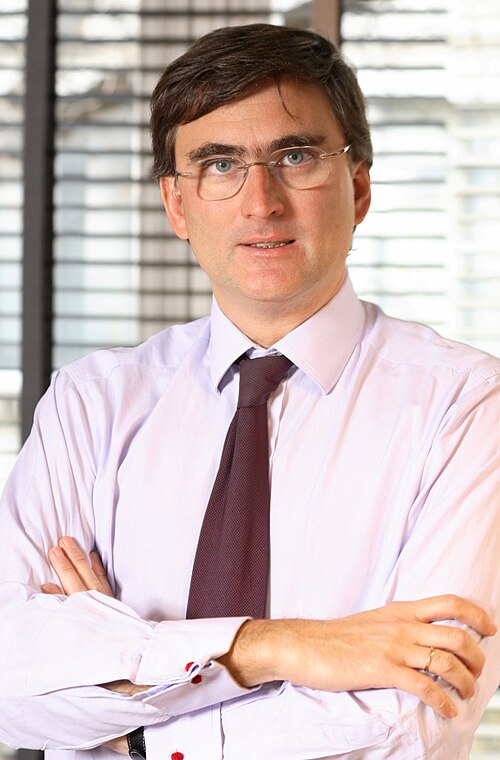
Francisco García Paramés: The Spanish Value Investor Who Started Again at Cobas
Spain’s best-known fund manager beat the Madrid market by a wide margin for two decades at Bestinver, walked away in 2014, then spent five years underwater at his new firm before his funds came roaring back.
 Legendary Investors
Mohnish Pabrai: The Dhandho Investor Who Copies the Best Ideas
An engineer turned fund manager, Mohnish Pabrai built his investing around a simple bet — heads I win, tails I don’t lose much — and around openly copying the ideas of investors he admires, starting with Warren Buffett.
 Legendary Investors
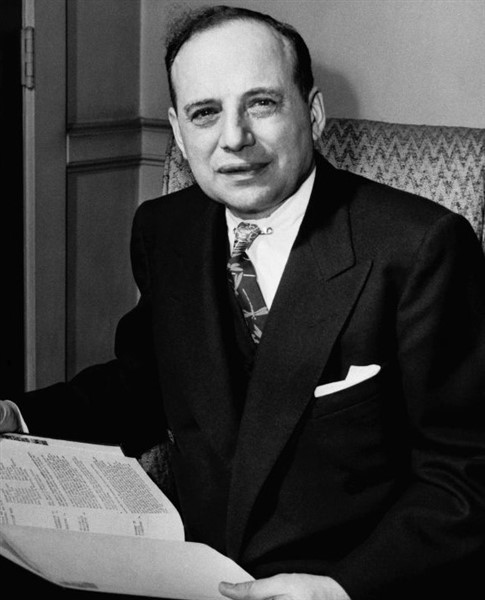
Benjamin Graham: The Father of Value Investing
Long before Warren Buffett was a household name, his teacher wrote the book that gave value investing its name — and its most durable idea: margin of safety.
Legendary InvestorsRakesh Jhunjhunwala: How India’s “Big Bull” Turned ₹5,000 into Billions
Rakesh Jhunjhunwala started in Mumbai’s stock market in 1985 with ₹5,000 and became India’s best-known investor, worth about $5.8 billion when he died in 2022. His story is a bet on a country as much as on shares.
Legendary InvestorsÁlvaro Guzmán de Lázaro: The Contrarian Who Bet Azvalor on Mines and Oil
A former Bestinver manager who co-founded Azvalor in 2015, Guzmán de Lázaro built one of Spain’s most talked-about funds by buying mining and energy companies when almost nobody wanted them, and sat through five painful years before it paid off.