Francisco García Paramés: The Spanish Value Investor Who Started Again at Cobas
Spain’s best-known fund manager beat the Madrid market by a wide margin for two decades at Bestinver, walked away in 2014, then spent five years underwater at his new firm before his funds came roaring back.
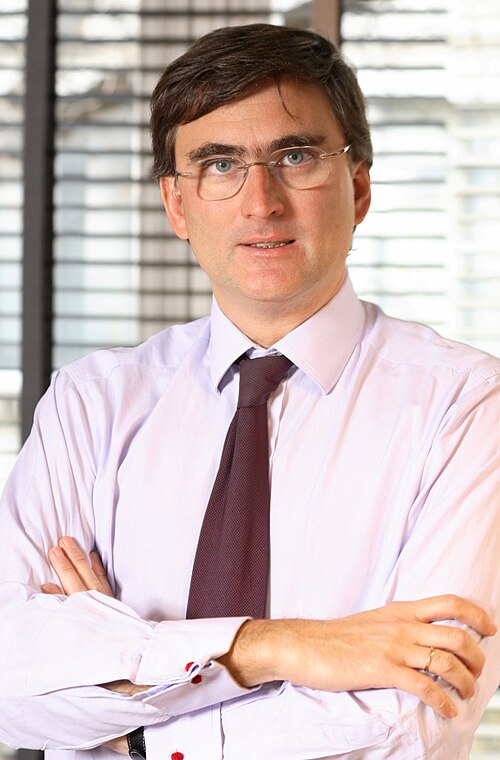
Photo: Litocarlo · Public domain, via Wikimedia Commons
From Galicia to Bestinver
Francisco García Paramés was born in Galicia, in north-west Spain, in 1963. He studied economics at Madrid’s Complutense University and took an MBA at IESE Business School before joining Bestinver, the fund management arm of the Acciona group, in 1989. After two years analysing Spanish companies he began running money, and for the next quarter of a century he managed the firm’s Spanish equity funds and, from 1997, its international ones too.
The numbers made him famous. According to the publisher of his book, clients in his Spanish equity funds earned an average of almost 16% a year from 1993 to 2014, against 7.8% a year for the Madrid Stock Exchange General Index. Compounded over two decades, a gap like that turns a modest saving into a fortune, and it earned him the label of the European, or Spanish, Warren Buffett.
A value investor with an Austrian accent
Paramés describes himself as a classic value investor in the tradition of Benjamin Graham, Warren Buffett and Peter Lynch: work out what a business is worth, buy it well below that price, and wait. What makes him unusual is the economics he pairs it with. He follows the Austrian school, which sees credit booms fuelled by cheap money as the root of most busts. That way of thinking kept him out of technology shares in 2000 and away from Spanish banks and property developers before the 2007–2008 crash, two decisions that did much of the work in his long-term record.
- He buys businesses he can value, often family-controlled companies, where the owners and outside shareholders tend to want the same things.
- He pays more attention to return on capital and free cash flow than to economic forecasts.
- He runs concentrated portfolios of a few dozen companies, with the biggest ideas making up a large share of each fund.
- He is willing to look wrong for long periods, which, as his later career showed, is easier to say than to sit through.
Leaving Bestinver and starting again
In September 2014 Paramés left Bestinver after disagreements with the Entrecanales family, Acciona’s controlling shareholders. A two-year non-compete clause kept him out of the industry, and in the meantime he wrote “Invirtiendo a largo plazo” (2016), later published in English as “Investing for the Long Term” (Wiley, 2018). At the end of 2016 he launched his own firm, Cobas Asset Management, and quickly raised money from investors who remembered his Bestinver record.
What came next was humbling. Value investing as a whole had a terrible decade, and Paramés’ portfolio of cheap, unfashionable companies kept falling even while growth shares soared. By April 2022 the Spanish newspaper El Español reported that Cobas Selección had only just got back to its launch price, five years, five months and 15 days after it started. Anyone who gave up during those years sold at a loss.
Paramés’ career shows two truths at once: a disciplined value investor can beat the market by a wide margin over decades, and the same investor can spend five years losing money for clients who trusted him.
The comeback
Value shares came back into favour from late 2020, and Cobas went with them. According to figures reported by Finect, the firm ended 2025 with €3,454 million under management, up 50% in a year, after Cobas Selección gained 31%, Cobas Internacional 26% and Cobas Iberia 53% in 2025. By the end of March 2026 assets had reached about €4.1 billion, and Cobas announced that Cobas Selección and Cobas Internacional would be partly closed to new investors once each reached €1.5 billion, so that the funds could keep investing in smaller companies. Existing investors, and their spouses and children, can keep adding money.
What other investors can take from Paramés
The obvious lesson is about patience, but it cuts both ways. His long record at Bestinver came from avoiding manias and buying unloved businesses, and it needed clients who stayed put through bad years. The first five years at Cobas show how hard that is: the strategy did not change, the results did, and only those who held on saw the recovery. Anyone choosing an active fund manager, however famous, should expect long stretches of underperformance and invest only an amount they can leave alone through them.
This profile is general education, not a recommendation to buy any fund. Past returns, including the ones above, do not tell you what a fund will do next, and many active managers fail to beat a low-cost index fund over time.
Warren Buffett’s investment philosophy, explained
The investor Paramés is most often compared to, and the simple plan Buffett recommends for most people.
This article is educational and general in nature. It isn’t personalized investment, tax, or legal advice — always weigh your own circumstances, or talk to a licensed professional, before making financial decisions.
Keep reading
Related guides on this topic.
 Legendary Investors
Mohnish Pabrai: The Dhandho Investor Who Copies the Best Ideas
An engineer turned fund manager, Mohnish Pabrai built his investing around a simple bet — heads I win, tails I don’t lose much — and around openly copying the ideas of investors he admires, starting with Warren Buffett.
Legendary InvestorsDuan Yongping: The “Chinese Buffett” Who Turned $2 Million in NetEase Into $200 Million
The engineer behind the BBK electronics group retired at 40, moved to the US and became one of China’s most admired investors, buying NetEase near its low, Apple and Tencent. What he did, and what ordinary investors can learn from it.
Legendary InvestorsÁlvaro Guzmán de Lázaro: The Contrarian Who Bet Azvalor on Mines and Oil
A former Bestinver manager who co-founded Azvalor in 2015, Guzmán de Lázaro built one of Spain’s most talked-about funds by buying mining and energy companies when almost nobody wanted them, and sat through five painful years before it paid off.
 Legendary Investors
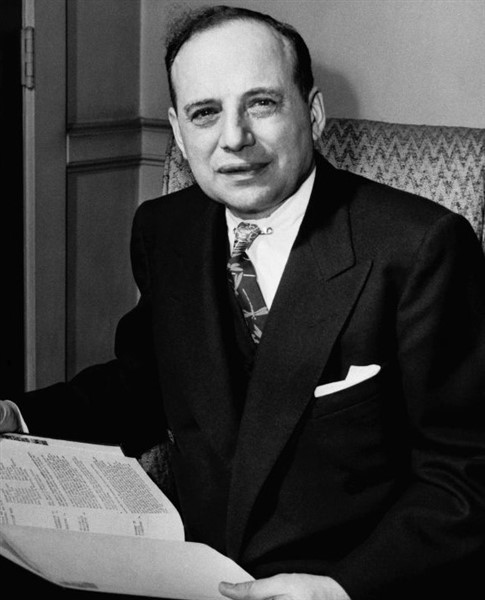
Benjamin Graham: The Father of Value Investing
Long before Warren Buffett was a household name, his teacher wrote the book that gave value investing its name — and its most durable idea: margin of safety.
 Legendary Investors
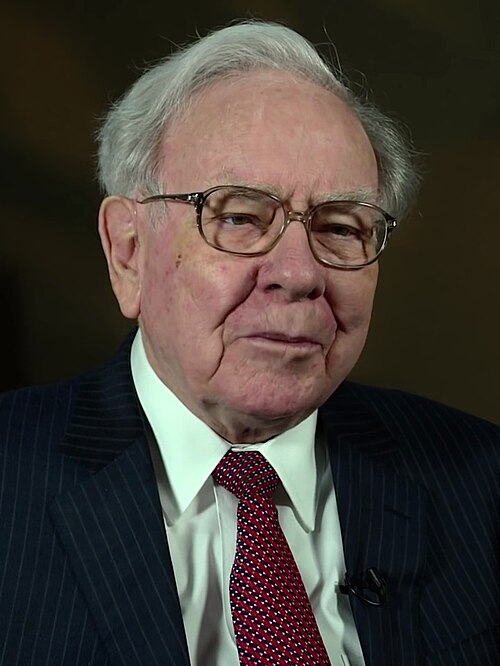
Warren Buffett: Investment Philosophy and Track Record
From a Nebraska newspaper delivery boy to the most closely watched investor alive — here's the philosophy behind Warren Buffett's six-decade track record.
 Legendary Investors
Bill Ackman: Activist Investor, Big Wins and Bigger Fights
Bill Ackman built Pershing Square from $54 million in 2004 into a firm managing about $28 billion, through concentrated bets, public campaigns and some spectacular wins and losses. In 2026 he took it public in New York.